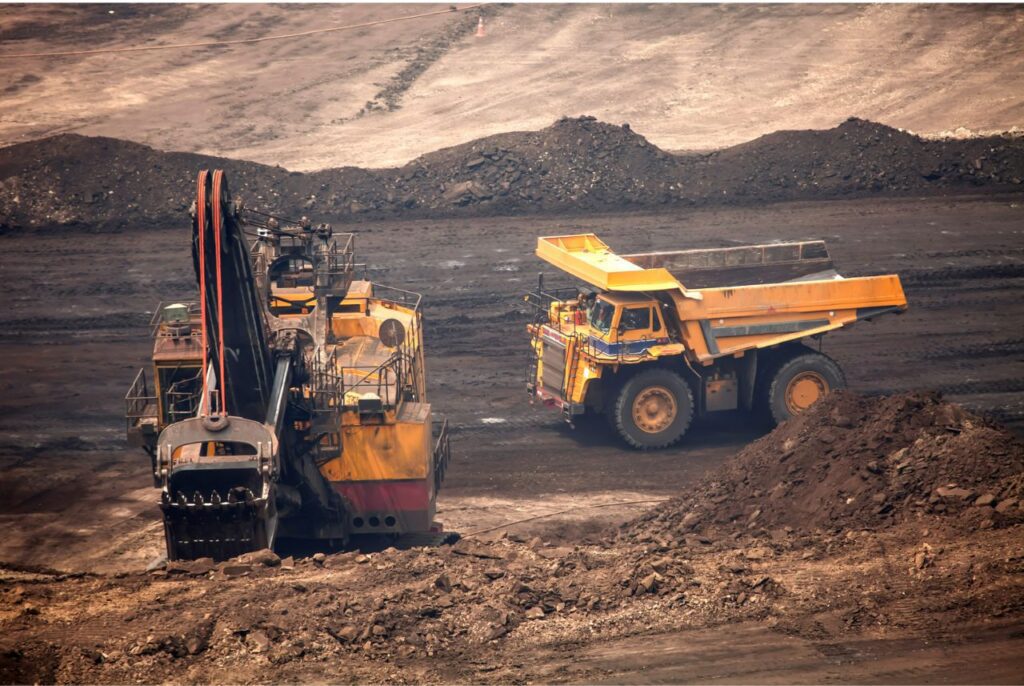
The losses incurred by mining companies due to unexpected downtime can be staggering, impacting both productivity and profitability. The downtime of a mine dump truck or excavator alone could cost a mine operator over $1000 per hour. Recognizing the need for a more proactive approach to maintenance, mining industries are turning to predictive maintenance strategies to take corrective actions or repairs on equipment before they break down unexpectedly – bringing operations to a halt.
One key solution gaining prominence is vibration analysis, a technique that offers valuable insights into machinery health. In this article, we explore the role of vibration analysis in predictive maintenance for mining, examining its methods, benefits, and considerations to leverage it effectively.
What is vibration analysis?
Vibration analysis, also known as vibration monitoring, is a critical component of predictive maintenance strategies in the mining industry. It involves the continuous monitoring of oscillatory motion, typically in rotating machinery, to detect abnormalities or deviations from normal operating conditions. By analyzing the vibrations emitted by mining equipment, maintenance managers can gain real-time insights into the health of the machinery.
Different methods used for vibration monitoring
Several methods are employed in vibration analysis to assess the condition of mining equipment:
Time-Domain Analysis
This method involves studying the time response of machinery vibrations. It helps in identifying irregularities and abnormalities in the temporal behavior of the equipment.
Frequency Domain Analysis: By analyzing the frequency components of vibrations, this method assists in pinpointing specific frequencies associated with faults or machinery conditions.
Modal Analysis
Modal analysis is used to determine the natural frequencies and mode shapes of a structure. This information is crucial for understanding the dynamic behavior of mining equipment.
Envelope Analysis
Envelope analysis focuses on the modulation of signals, helping to detect faults in rotating machinery. It is particularly effective for identifying bearing defects and gear faults.
Considerations when leveraging vibration analysis for equipment maintenance
While technology plays a crucial role in vibration analysis, several additional considerations are vital for a successful predictive maintenance strategy in mining.
Firstly, the interpretation of vibration data and the ability to perform corrective actions require specialized skills. Hence, training programs are essential for personnel involved in setting up monitoring schedules or operating instruments involved in vibration monitoring.
Establishing a robust condition monitoring system for vibration analysis involves tools such as accelerometers, vibration sensors, and vibration analysis software. These tools are integral to the success of vibration monitoring, and need to be operated, installed and maintained by skilled workers with equipment training. The ability to conduct root cause analysis is also crucial when abnormal vibrations occur. Understanding the underlying reasons for these variations is key to preventing recurring problems in the future.
Conclusion
In addition to predictive maintenance tools like vibration analysis, a multiprong focus is required which considers skilled training programs for employee buy-in and full adoption of these new ways of working. Technologies also need to be embedded into the everyday routines of employees for new ways of working to be sustainable.